DESCRIPTION
1. Introduction of the game:
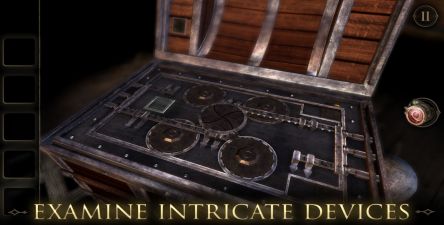
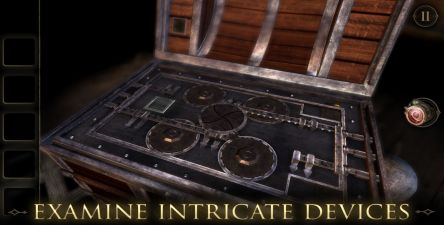
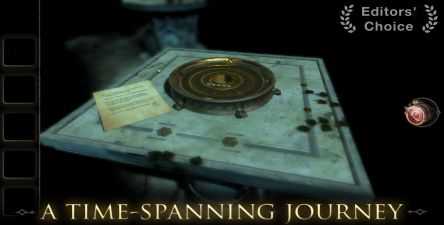
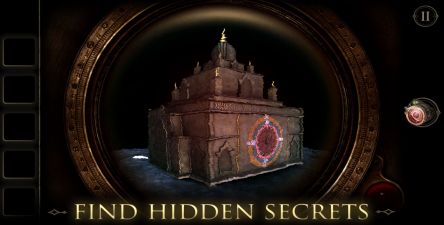
The Room Two is a highly immersive puzzle game that challenges players to unlock the mysteries within a series of intricately designed rooms. With its captivating storyline and stunning visuals, players are transported into a world where secret compartments, hidden messages, and mysterious objects await their discovery.
2. All characters and levels of the game:
As players progress through The Room Two, they will encounter a variety of fascinating characters, each with their own stories and motives. From enigmatic inventors to secretive historians, these characters provide crucial clues and guidance along the journey. The game consists of multiple levels, each presenting a new room to explore and solve its unique puzzles.
3. What attracts users most to the game:
One of the main attractions of The Room Two is its immersive gameplay experience. Users are drawn to the intricate and visually stunning rooms, as well as the challenging puzzles that test their problem-solving skills. The sense of unraveling a deep and mysterious storyline keeps players engaged and eager to uncover the secrets hidden within each room.
4. Why it is popular:
The Room Two has gained popularity due to its combination of immersive gameplay, captivating storyline, and challenging puzzles. The attention to detail, high-quality graphics, and atmospheric sound design further contribute to the game's popularity. The seamless integration of story, puzzle-solving, and exploration creates an engaging and addictive experience for players.
5. When the game was released and how many versions are currently available:
The Room Two was originally released in December 2013 for iOS devices, followed by releases on Android, Microsoft Windows, and MacOS. As of now, there are two versions of the game available: the original release and an enhanced version optimized for virtual reality (VR) gameplay.
6. The most difficult part of the game:
The Room Two presents several challenging puzzle elements throughout its gameplay. However, many players find the intricate mechanisms and complex patterns within the rooms to be the most difficult aspects of the game. Solving these intricacies often requires meticulous observation, critical thinking, and a keen eye for hidden clues.
7. Strengths and weaknesses of the game:
One of the notable strengths of The Room Two lies in its immersive and atmospheric gameplay, with stunning graphics and a captivating storyline. The game's cleverly designed puzzles provide a satisfying sense of accomplishment upon completion. However, some users may find the complexity of the puzzles overwhelming at times, and the linear nature of the gameplay may limit replay value for certain players.
8. What other games have been developed by the same developer:
The Room Two was developed by Fireproof Games, the same studio behind the critically acclaimed game, "The Room." The series has gained widespread acclaim and has since expanded with the release of "The Room Three" and "The Room VR: A Dark Matter." These games continue to demonstrate the developer's exceptional ability to immerse players in captivating mysteries and challenging puzzles.



















Reviews
Philip
"The Room Two is a mind-bending masterpiece of puzzle gaming."
Julia
"Immersive and challenging, The Room Two keeps you hooked throughout."